


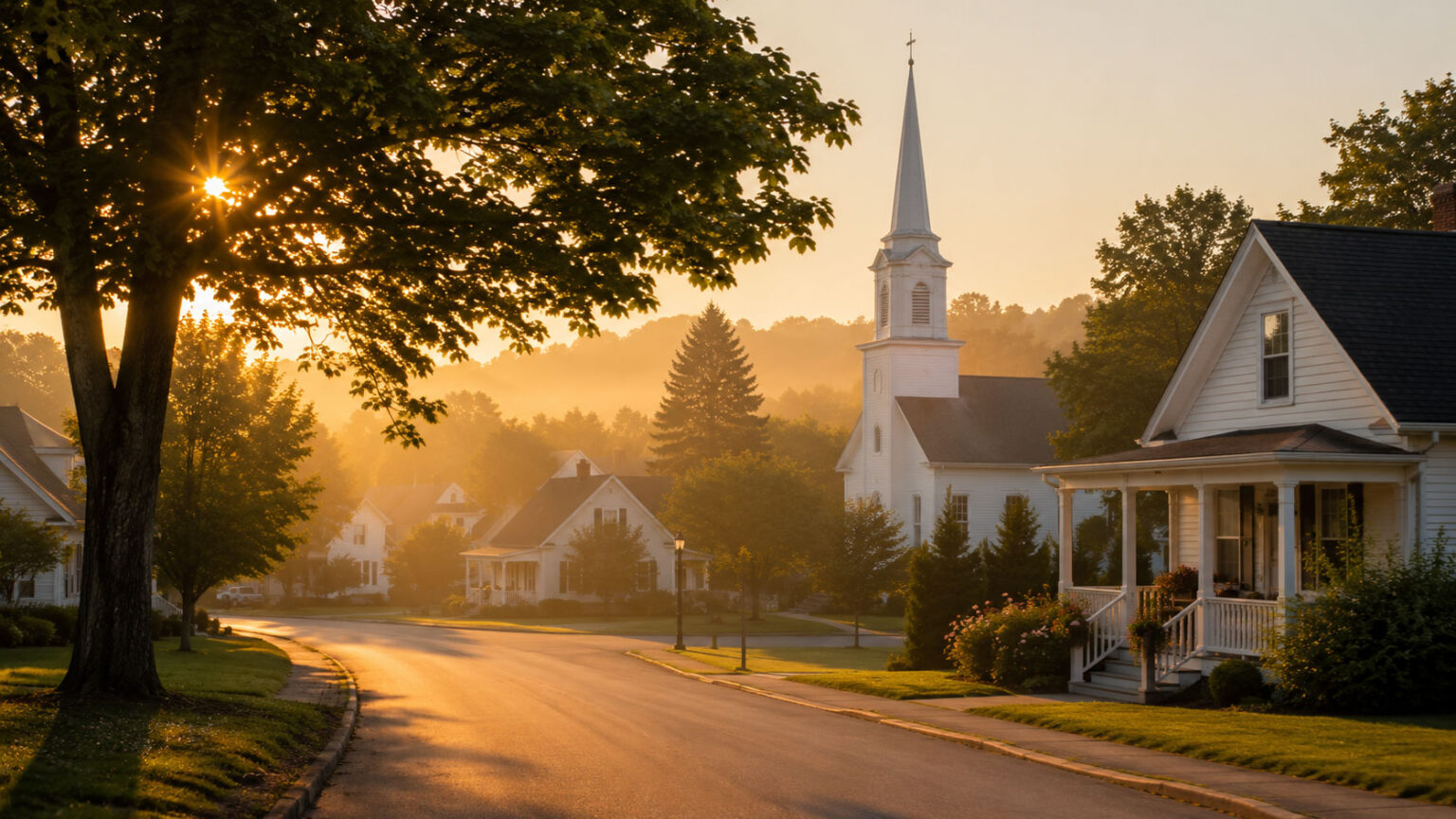
Sunday Morning Country: Faith, Family, and the Songs That Still Bring People Home
Country music has always had one foot in Saturday night and the other in Sunday morning.
It can raise a glass under neon lights, then turn around and bow its head before breakfast. It can tell the truth about heartbreak, bad choices, long roads, empty pockets, old memories, and second chances. But somewhere underneath all of that, country music has always carried a deeper sound — the sound of home, faith, family, forgiveness, and the hope that no matter how far someone has wandered, there is still a way back.
That is why Sunday morning country still matters.
It is not always a gospel song. It is not always sung in church. Sometimes it comes through a steel guitar, a family harmony, a front porch acoustic, or a lyric about mama praying, daddy working, grandma singing, or a small-town church bell ringing somewhere in the distance.
Sunday morning country is less about a specific style and more about a feeling.
It is the part of the music that reminds people where they came from.
The Church Roots Run Deep
Country music and gospel music have been connected from the beginning.
Long before country stars filled arenas, songs were being passed around in churches, family gatherings, tent meetings, front porches, radio programs, and small community stages. Hymns, spirituals, bluegrass gospel, southern gospel, and old family harmonies helped shape the way country music sounds and feels.
You can still hear those roots today.
They show up in the harmonies. They show up in the storytelling. They show up in songs about grace, guilt, mercy, mothers, heaven, home, and trying to become a better person than you were yesterday.
Even artists known for rowdy barroom songs often have a Sunday song somewhere in them. That contrast is part of what makes country music honest. It understands that people are complicated. They can be wild on Friday, broken on Saturday, and looking for peace by Sunday morning.
Country music does not pretend life is clean.
It just keeps singing through it.
Family Is Still at the Center
At its heart, country music has always been a family format.
Not because every song is sweet or simple, but because so many country songs are built around the people who shape us. Mothers, fathers, grandparents, children, spouses, brothers, sisters, old friends, lost loves, and the people waiting back home all show up again and again.
Those stories work because they are universal.
A song about calling your mother can reach someone who has not called enough. A song about a father’s hands can bring back memories of work boots by the door. A lyric about Sunday dinner can make someone miss a table that does not exist anymore. A song about raising kids can hit a listener who is still trying to become the kind of parent they once needed.
That is the power of country music.
It can turn a family memory into something a stranger feels in their own chest.
Sunday morning country leans into that. It reminds fans that the biggest stories are often the ones closest to home.
The Sound of Second Chances
One reason faith-based themes remain so strong in country music is that country has always understood failure.
Country songs are full of people who messed up, left too soon, stayed too long, drank too much, said the wrong thing, lost the love of their life, disappointed someone they cared about, or woke up one morning wishing they could do better.
That is not weakness.
That is humanity.
Sunday morning country gives those stories somewhere to go. It does not always offer a perfect ending, but it often offers the possibility of redemption. A prayer. A memory. A porch light. A church pew. A phone call. A road leading home. A lyric that sounds like forgiveness even when the singer has not fully forgiven themselves.
That is why these songs last.
Listeners do not need every country song to preach. But sometimes they need a song that tells them they are not beyond repair.
Why These Songs Still Connect
In a fast-moving world, Sunday morning country feels grounding.
It slows things down. It brings people back to familiar places: the kitchen table, the front porch, the old church, the family farm, the small-town road, the cemetery on the hill, the hymn that still comes back even after years away.
These images matter because they give country music emotional weight.
A party song may define a night, but a Sunday morning song can stay with someone for life. It can become the song they play when they miss home, when they are grieving, when they are starting over, when they are trying to explain where they came from, or when they need to remember that there is still good in the world.
Country music connects across generations because it keeps returning to those places.
The sound may change. The production may grow. The audience may expand. But the emotional center remains familiar: faith, family, memory, and the search for something steady.
Not Just the Past
Sunday morning country is not only about nostalgia.
It is also about the present.
Modern country artists continue to write about faith, family, recovery, forgiveness, gratitude, fatherhood, motherhood, marriage, loss, and the small moments that hold a life together. Some songs are clearly spiritual. Others are more subtle, carrying the feeling of a prayer without ever using the word.
That is important.
Faith in country music does not always arrive as a sermon. Sometimes it arrives as humility. Sometimes it is a lyric about getting through one more day. Sometimes it is a quiet thank-you. Sometimes it is the realization that the people who loved you were right all along.
Country music has room for all of that.
It can honor tradition without being stuck in the past. It can carry old truths into new songs.
The Songs That Bring People Home
Every country fan has a song that feels like home.
Maybe it reminds them of a parent. Maybe it sounds like Sunday dinner. Maybe it brings back the church they grew up in, the town they left, or the person they wish they could talk to again. Maybe it is not even a religious song, but something about it feels sacred because of the memory attached to it.
That is what Sunday morning country does best.
It makes the personal feel shared.
It gives listeners a place to put their grief, gratitude, regret, hope, and love. It turns family history into melody. It gives faith a voice that can live outside the church walls and still feel honest.
Country music will always have room for Saturday night.
The dance floor, the barroom, the backroad, and the bonfire are part of the story too.
But Sunday morning is where country music remembers its soul.
It is where the noise settles, the coffee brews, the light comes through the window, and the songs remind us that home is not always a place. Sometimes it is a voice, a memory, a prayer, or a chorus that brings us back to who we are.