

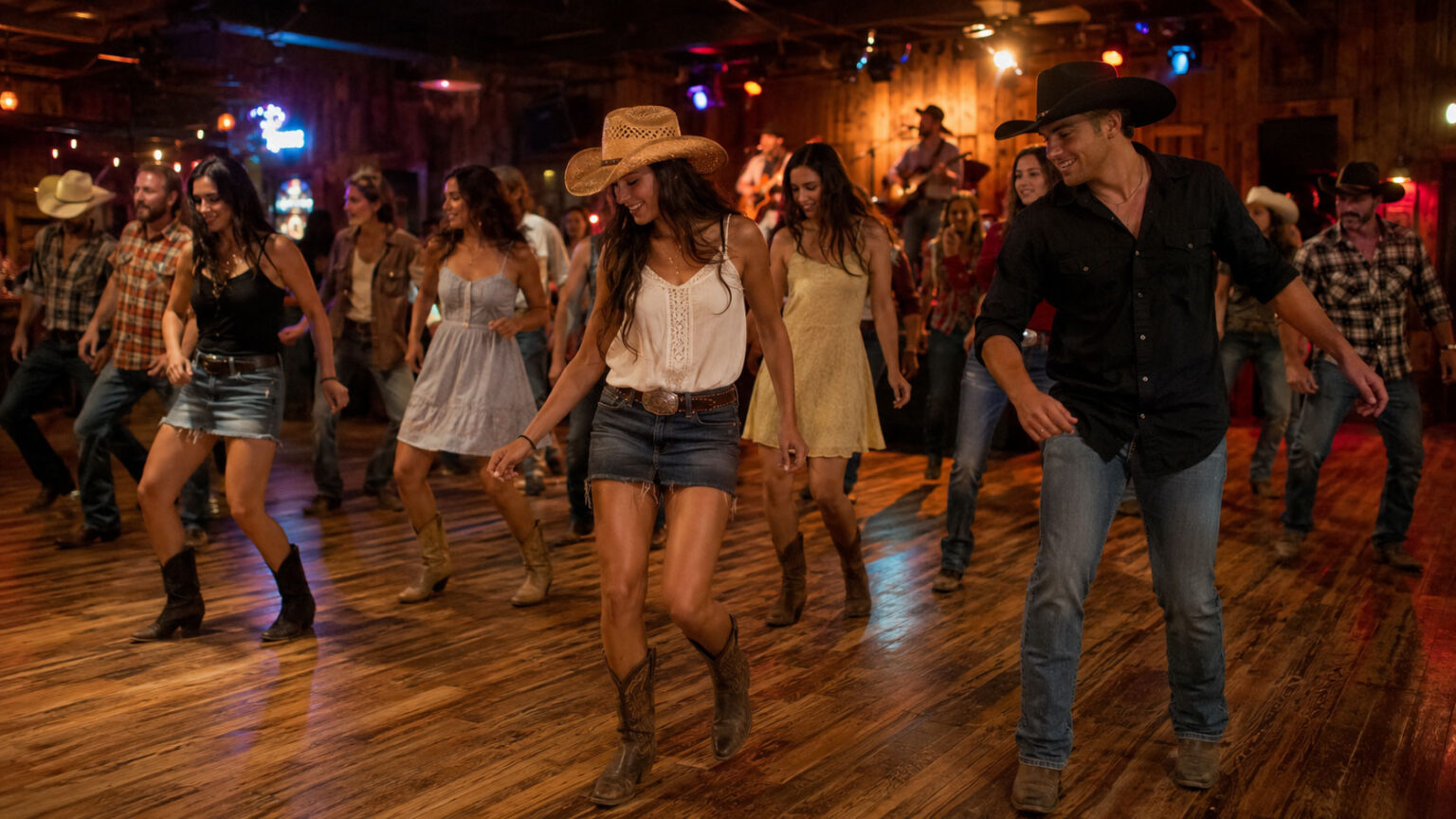
Line Dancing Is Back: How a Country Tradition Found a New Generation
For a while, line dancing felt like something people remembered more than something they did.
It belonged to wedding receptions, old country bars, community centers, dance halls, and memories of the 1990s when certain songs could pull an entire room into formation. It was fun, familiar, a little nostalgic, and easy to underestimate.
Then something happened.
A new generation found the dance floor.
Line dancing is back, and this time it is not only about nostalgia. It is about connection. It is about movement. It is about country music becoming social again in a world where so much entertainment happens alone, through headphones, phones, and screens.
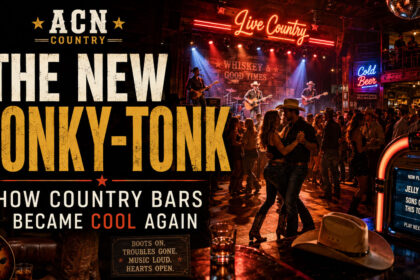
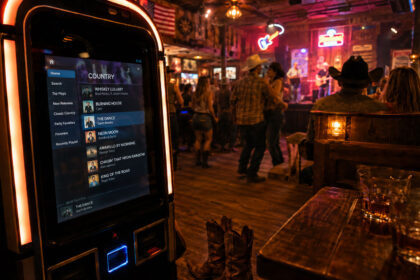
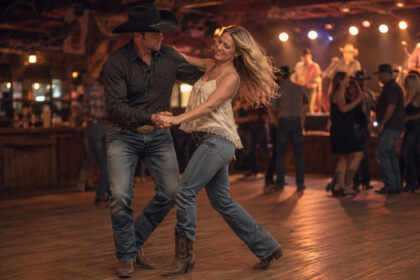
At honky-tonks, pop-up dance nights, college bars, festivals, social clubs, and country-themed events, younger fans are learning the steps, bringing their friends, filming the fun, and proving that one of country music’s most recognizable traditions still has plenty of life left in it.
The Dance Floor Needed a Comeback
Country music has always been built for gathering.
The songs are personal, but the best country moments often happen in groups: a room singing along, a crowd raising their hands, a couple two-stepping under neon, or a dance floor moving in the same direction at the same time.
Line dancing fits that world perfectly.
It gives people a way to participate without needing a partner, without needing years of dance training, and without having to be the best dancer in the room. You can be brand new, watch the person beside you, miss a step, laugh it off, and still be part of the moment.
That accessibility is one reason line dancing is finding new fans.
In a time when people are looking for real-world experiences, line dancing offers something simple and rare: a room full of people doing the same thing together, badly or beautifully, and having a good time either way.
Social Media Helped Open the Door
There is no question that short-form video helped line dancing reach a new generation.
A dance that once had to be learned in person at a bar, hall, or party can now be discovered online in seconds. Fans can watch tutorials, learn steps at home, follow instructors, save routines, and show up to a dance night already feeling less intimidated.
That matters.
The internet did not replace the dance floor. It gave people a path back to it.
A viral clip can introduce the move. A tutorial can make it less scary. But the real payoff still happens in person, when the song starts and the whole room moves together.
That combination of online discovery and real-world participation is part of why line dancing feels so current. It fits the way younger audiences discover culture now, but it still rewards them for leaving the house and joining the crowd.
No Partner, No Problem
One of line dancing’s biggest strengths is that nobody has to wait to be asked.
That may sound small, but it is a big deal.
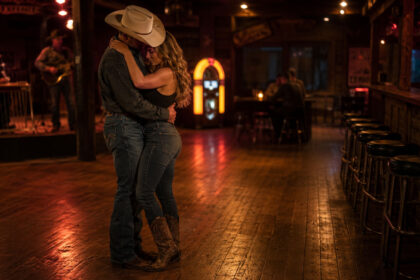
In partner dancing, someone usually has to lead, someone has to follow, and someone has to make the first move. That can be intimidating, especially for beginners. Line dancing removes that barrier. The floor is open. The steps are shared. Everyone gets the same invitation.
That makes it especially friendly for groups of friends, solo guests, new dancers, and people who want to be part of the nightlife without feeling like they have to perform.
You do not need a date.
You do not need a dance partner.
You do not need to know everyone in the room.
You just need to find the beat and jump in.
That sense of inclusion is one reason line dancing is showing up in more places and attracting people who might not have considered themselves country dancers before.
Country Bars Found New Energy
For honky-tonks and country bars, the line dancing comeback is good news.
Dance floors give a room momentum. They turn background music into an event. They make a slow night feel active and a busy night feel electric. A good line dance can pull people out of booths, away from the bar, and into the middle of the room.
It also creates a visual moment.
A packed floor moving together under neon lights is hard to ignore. It makes the room look alive. It gives people something to film, share, remember, and come back for.
That is why beginner line dance nights, themed country nights, and dance instruction events work so well. They give people a reason to show up before the night gets late, stay longer once they are there, and bring friends next time.
A line dance is not just a dance. In a bar setting, it can be a traffic builder, a community builder, and a song discovery tool all at once.
The Songs Matter
Line dancing does not work without the right songs.
Some dances are tied to classics. Others are built around modern country hits, country-pop crossovers, southern soul, trail ride songs, or high-energy tracks that make people want to move before they know the steps.
That range is part of what makes the comeback interesting.
Line dancing is not locked into one era or one sound. It can live inside old-school country, modern honky-tonk, red dirt, country rap, pop-country, and songs that borrow from multiple traditions. If the groove works and the steps catch on, the floor will decide whether it belongs.
For artists, that creates opportunity.
A song with the right rhythm, hook, and energy can travel further when people dance to it. A dance can turn a track into a shared experience. It gives fans a reason to play the song again, teach it to friends, post about it, and request it in bars.
That is how a song becomes part of people’s lives instead of just another track in a playlist.
Tradition Without Feeling Old
The best thing about the new line dancing wave is that it does not feel like a museum piece.
Yes, it honors country tradition. Yes, it carries memories of dance halls, western nights, and songs that never really left the floor. But younger fans are not treating it like a costume. They are making it their own.
They bring new style, new songs, new communities, and new reasons for showing up.
Some come for the country fashion. Some come for the workout. Some come because their friends invited them. Some come because they saw a dance online and wanted to try it in real life. Some come because, after years of too much screen time, the idea of being in a room full of people moving together feels surprisingly powerful.
That is the real comeback.
It is not just that people are doing the steps again.
It is that the steps are giving people a reason to gather.
Why It Still Works
Line dancing works because it makes country music physical.
You do not just hear the beat. You step into it. You do not just watch the crowd. You become part of it. The song stops being something coming through speakers and becomes something happening under your boots.
That is why it keeps coming back.
Country music has always been about more than listening. It is about living inside the song for a few minutes. Line dancing gives fans a way to do that together.
It turns a bar into a community.
It turns a song into a memory.
It turns beginners into regulars.
It turns tradition into something alive.
Line dancing is back because it gives people what country music has always promised: a place to belong, a reason to move, and a song that feels better when everybody joins in.